

| ÔùÅ Business confidence in the effectiveness of government fiscal incentives has plummeted from 19.9% to just 5.2% over the last quarter. ÔùÅ Kadin Indonesia is urging the government to pivot toward more "adaptive" fiscal support, specifically calling for an acceleration of Electric Vehicle (EV) subsidies. ÔùÅ Top business leaders are requesting banking flexibility, including eased loan repayment terms, to protect corporate cash flow for the next six months. ÔùÅ Finance Minister Purbaya Yudhi Sadewa has responded by freezing new taxes, including the "Wealth Tax," until domestic purchasing power stabilizes. |
| ----------------------------------------------------------------------------------------------------------------------------------------------------------------------------------------------------------------------------------------------------------------------------------------------------------------------------------------------------------------------------------------------------------------------------------------------------------------------------------------------------------------------------------------------------------------------------------------------------------------------------- |
JAKARTA, Investortrust.id ÔÇö IndonesiaÔÇÖs business community is sounding the alarm. The Indonesian Chamber of Commerce and Industry (Kadin Indonesia) is demanding a radical rethink of the nationÔÇÖs fiscal strategy as global uncertaintyÔÇöfueled by the U.S.-Israel-Iran conflictÔÇöthreatens to choke domestic growth and corporate liquidity.
When Kadin speaks, the government listens. As the primary bridge between the private sector and the state, KadinÔÇÖs latest "Business Pulse" survey reveals a dangerous disconnect: while 39.5% of businesses believe government policy is the key to recovery, their faith in current fiscal incentives has evaporated. For global investors, this tension highlights the "short-term survival vs. long-term reform" struggle currently playing out in Southeast AsiaÔÇÖs largest economy.
The Fiscal Confidence Gap
The data is stark. In the fourth quarter of 2025, nearly 20% of businesses felt government incentives were hitting the mark. By April 2026, that figure crashed to a mere 5.2%. Kadin Indonesia InstituteÔÇÖs Director of Insights, Fakhrul Fulvian, argues the current toolkit is too rigid for a world of surging fuel prices and geopolitical shifts.
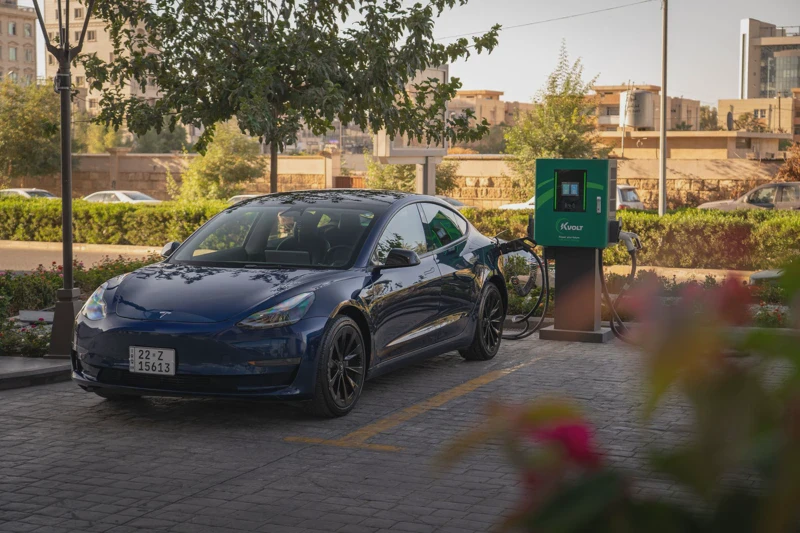
"What we mean by 'inaccurate' here is that there must be a more adaptive change regarding fiscal incentives," Fakhrul stated during a press conference at Kadin Tower on April 24, 2026. He specifically pointed to the EV sector as a missed opportunity. "Why not accelerate the use of electric cars to lower pollution and speed up a sustainable green economy, especially as fuel prices climb?"
Desperately Seeking Cash Flow
Beyond tax breaks, the business lobby is calling for a "cushion" from the financial sector. Kadin Chairman Anindya Novyan Bakrie emphasized that the immediate priority isn't just growth, but survival through liquidity. He is pushing for banks to offer "Terms of Payment" flexibility and credit relief to prevent a cash flow crisis.
"How these short-term challenges can be navigated is by providing flexibility from the cash flow side. I think that is what is most important," Anindya stressed. He argued that allowing businesses to maintain their expansionary stanceÔÇöparticularly in "Hilirisasi" (downstreaming) projectsÔÇöis the only way to keep the nationÔÇÖs economic engine running during the current global volatility.
A Strategic Tax Freeze
In a move that appears to answer some of Kadin's concerns, Finance Minister Purbaya Yudhi Sadewa confirmed that the government will not implement any "Wealth Tax" or new VAT on toll roads in the immediate future. Purbaya signaled that the Treasury is pivoting away from new levies to focus on aggressive enforcement against corporate tax evaders and export "under-invoicing."
"Purchasing power is our main benchmark," Purbaya noted, confirming that new tax regimes for High Wealth Individuals (HWI) and carbon credits have been pushed back to 2028. For now, the administration's priority is clear: stabilize the foundations of the domestic market before asking the private sector for more.